
Nutritional Resources and Ingredient Safety
Knowledge is the most powerful tool in your wellness arsenal. Our resource library catalogs detailed information on supplement timing, bioavailability, and botanical origins — helping you navigate natural supplements for men with clarity and confidence.
In This Index
Eight detailed sections covering mineral profiles, bioavailability, botanical sources, timing, and label reading
A Catalog of Essential Minerals
02Understanding Ingredient Bioavailability
03Guide to Natural Botanical Sources
04Supplement Timing and Interaction
05Safety Standards and Label Reading
06Natural Alternatives to Synthetic Ingredients
07Seasonal Nutritional Needs in Indonesia
08Frequently Updated Research Summaries
A Catalog of Essential Minerals
Minerals are inorganic elements that the body needs in small amounts to function correctly. Our resource library includes detailed profiles of minerals like magnesium, zinc, selenium, and chromium. We explain why these specific elements matter for men, where they can be found in a natural Indonesian diet, and what the symptoms of a deficiency might look like.
This foundational knowledge helps you identify which minerals you might need to supplement. For instance, magnesium supports muscle and nerve function, zinc contributes to immune resilience, and selenium acts as an antioxidant. Each profile in our catalog lists dietary sources common in Indonesian cuisine — from tempeh and leafy greens to seafood and nuts — so you can assess your baseline intake before adding a supplement.
Magnesium
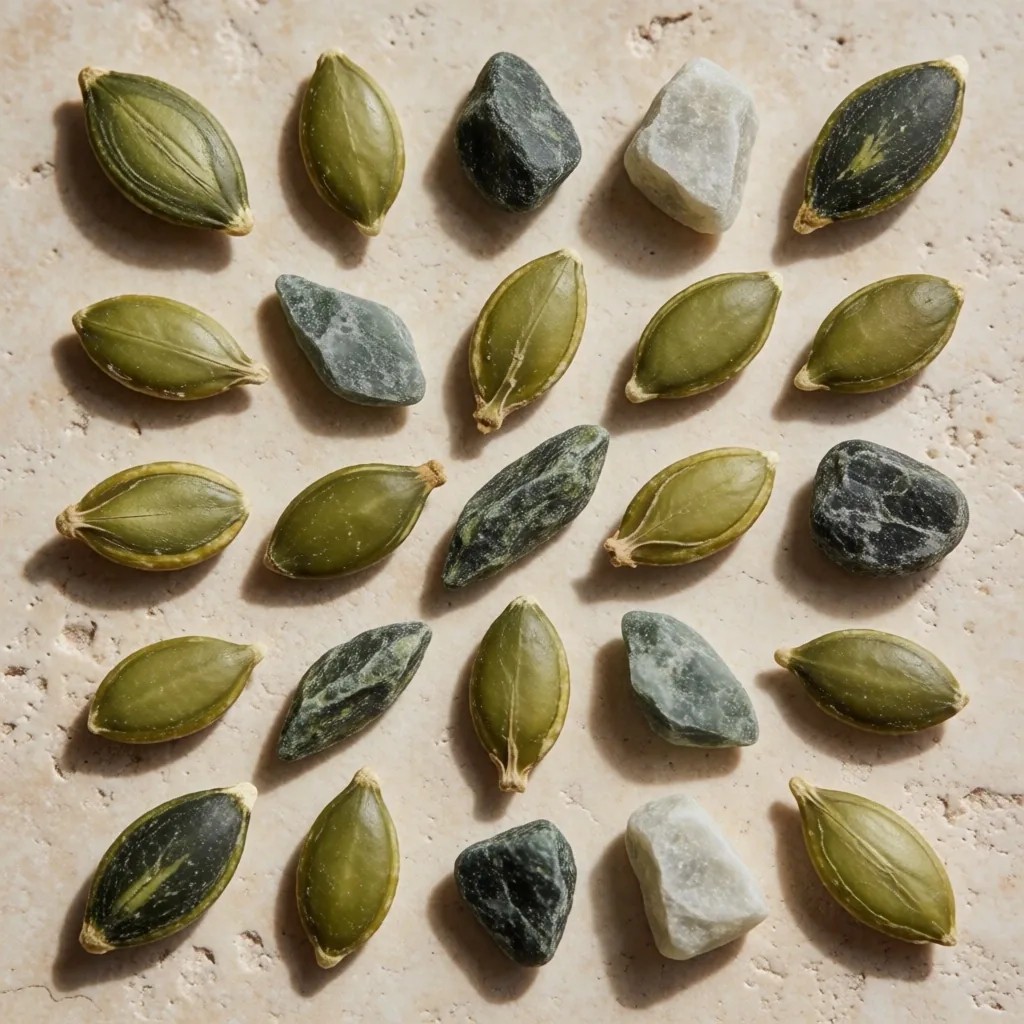
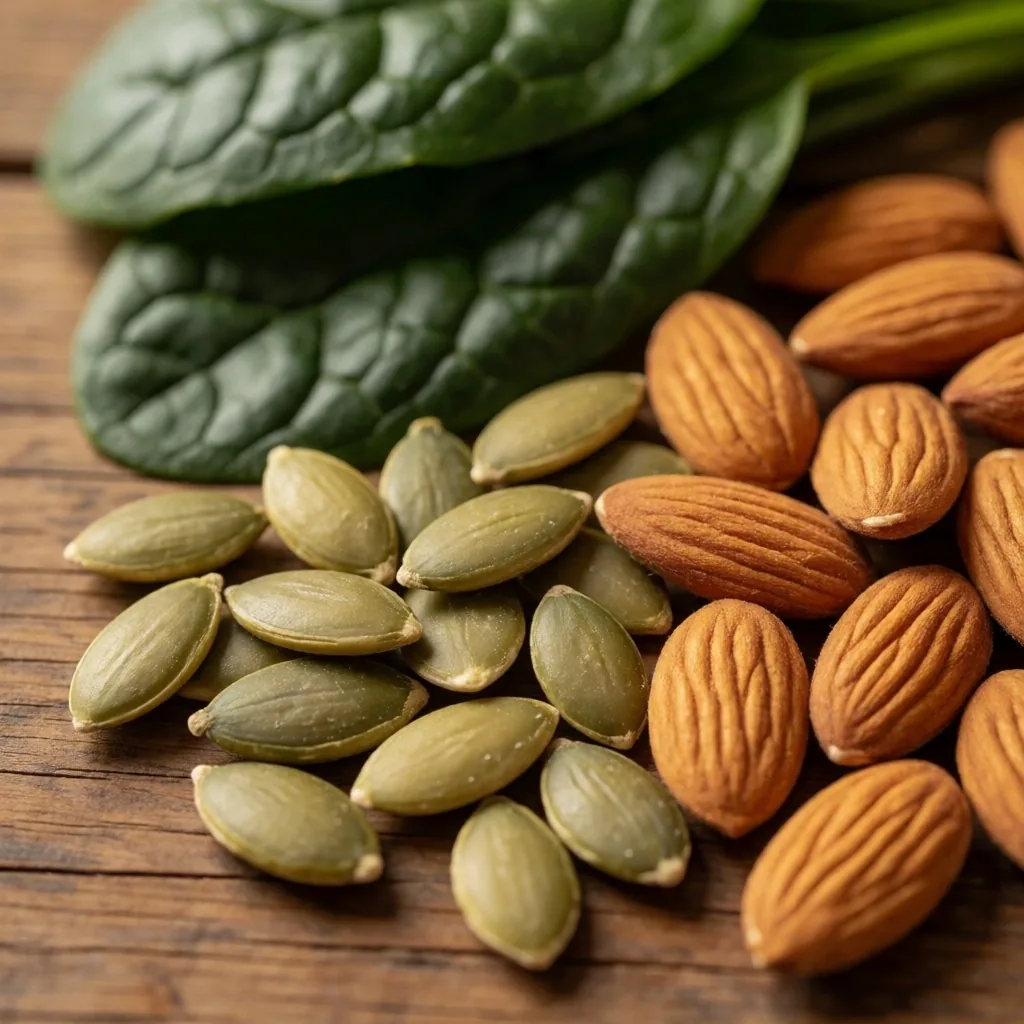
Found in pumpkin seeds, almonds, spinach, and dark chocolate. Supports muscle and nerve function.
Zinc
Found in oysters, beef, pumpkin seeds, and chickpeas. Supports immune function and cellular repair.
Selenium
Found in Brazil nuts, tuna, and eggs. Acts as an antioxidant and supports thyroid function.
Chromium
Found in broccoli, barley, and whole grains. Supports macronutrient metabolism.
Understanding Ingredient Bioavailability
Not all forms of a vitamin or mineral are absorbed by the body with the same efficiency. Bioavailability refers to the proportion of a nutrient that enters the circulation when introduced into the body. For example, magnesium citrate is generally better absorbed than magnesium oxide. Our resources explain these differences in plain language, helping you choose healthy lifestyle products that actually deliver the nutrients they promise on the label.
The form of a nutrient listed on the back of a bottle tells you a lot about what your body will actually use. A chelated mineral — one bound to an amino acid — often passes through the intestinal wall more efficiently than a basic oxide or sulfate form. The same logic applies to B vitamins: methylcobalamin (B12) and methylfolate (B9) are active forms the body can use directly, while cyanocobalamin and folic acid require conversion steps that not everyone performs efficiently.
Form Comparison
Magnesium Citrate
Higher absorption; often used for muscle and sleep support.
Magnesium Oxide
Lower absorption; high elemental magnesium but poor bioavailability.
Zinc Picolinate
Chelated form; generally well-absorbed.
Zinc Gluconate
Common in lozenges; moderate absorption.

Specimen
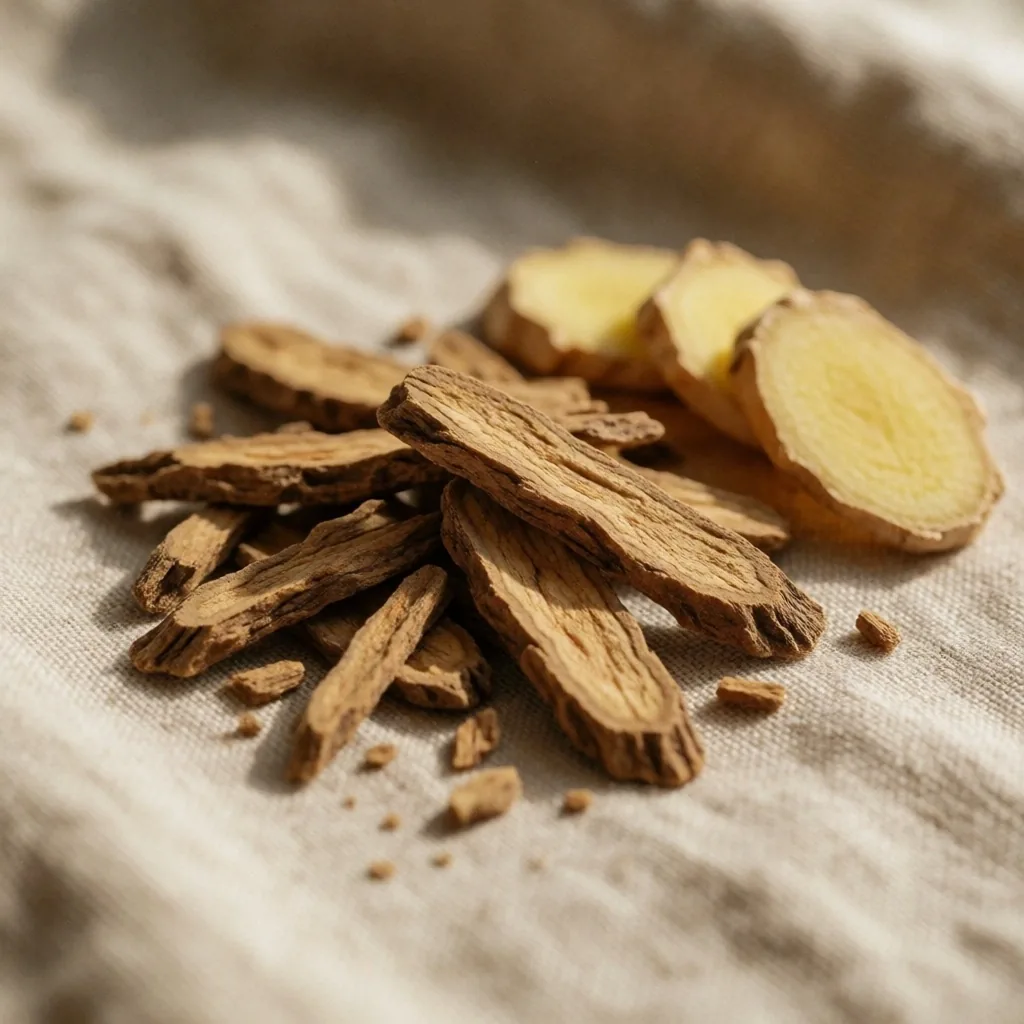
Panax Ginseng — dried root
Guide to Natural Botanical Sources
Many of the most effective ingredients in men's vitamin formulas are derived from plants. We provide a comprehensive guide to these botanical sources, including their scientific names, traditional uses in various cultures, and modern extraction methods.
Whether it is Eurycoma Longifolia (Tongkat Ali) or Panax Ginseng, knowing the origin of your supplements adds a layer of transparency and connection to the natural world. Our botanical guide covers where each plant grows, which part of the plant is used, and how extraction methods — from water decoction to standardized alcohol tinctures — affect the final concentration of active compounds.
For men interested in natural capsules for strength and vitality, understanding these origins helps you distinguish between whole-plant extracts and isolated compounds. A whole-plant extract retains the natural balance of co-factors, while an isolated compound delivers a single active molecule at a known concentration.
Supplement Timing and Interaction
When you take your supplements can drastically change their effectiveness. We provide a practical timing chart that explains which vitamins should be taken with food, which minerals should not be taken together, and the best time of day for specific formulas. This section is essential for anyone looking to optimize their daily routine and ensure they are getting the maximum value from their natural capsules for strength and vitality.
Nutrient
Best Time
With Food?
Notes
Magnesium
Evening
Yes
Supports muscle relaxation; take 1–2 hours before bed.
Zinc
With a meal
Yes
Avoid taking with high-calcium foods; they compete for absorption.
Iron
Morning, empty stomach
Optional
Pair with vitamin C; do not take with calcium or coffee.
B-Complex
Morning
Yes
Supports energy metabolism; evening doses may affect sleep.
Vitamin D
With largest meal
Yes (with fa)
Fat-soluble; needs dietary fa for absorption.
Key interaction: Calcium and iron should not be taken together. Calcium blocks iron absorption, so space them at least two hours apart if you supplement both.
Safety Standards and Label Reading
Reading a supplement label is a skill that every health-conscious man should master. We teach you how to identify active ingredients versus fillers, how to understand daily value percentages, and what various quality certifications mean.
By demystifying the back of the bottle, we help you avoid products that contain unnecessary additives or misleading claims, focusing instead on pure men's health support. A label lists ingredients in descending order of weight — the first few items make up the bulk of the capsule. If the first three ingredients are fillers like microcrystalline cellulose or magnesium stearate, the actual nutrient content may be lower than the front-of-bottle marketing suggests.
Daily value percentages tell you how much of a nutrient one serving provides relative to a general reference intake. Percentages above 100% are common for water-soluble vitamins like B12 and C, which the body excretes in excess. For fat-soluble vitamins like A, D, E, and K, amounts near or above the upper limit warrant caution, as these accumulate in the body.
What to Check on a Label
-
A
Serving size: The reference for all numbers. A bottle may list 60 capsules but the serving is two capsules — that is 30 servings.
-
B
Form of nutrient: Look for the specific chemical form (e.g., magnesium citrate) — not just the mineral name.
-
C
Other ingredients: Anything listed here is not the active nutrient. Watch for artificial colors, binders, and preservatives.
-
D
Daily value %: Shows how one serving compares to a general reference intake. Use it to gauge whether a dose is moderate or high.
-
E
Batch and expiry: A printed batch number and expiry date indicate the product was manufactured with traceability.

Natural Alternatives to Synthetic Ingredients
Many mass-market vitamins use synthetic forms of nutrients that the body may not recognize as easily as natural versions. We explore the benefits of whole-food-based supplements, where vitamins are extracted from real fruits and vegetables.
These natural alternatives often come with co-factors — companion compounds that assist in absorption and metabolism. A synthetic vitamin C isolate is just ascorbic acid. A whole-food vitamin C source, like camu camu or acerola cherry, delivers ascorbic acid alongside bioflavonoids and other phytonutrients that work together in ways an isolate alone cannot replicate.
For men seeking popular products for men that align with a natural approach, whole-food-based supplements offer a more balanced way to support daily nutrition. They tend to be gentler on the stomach and may be better tolerated at higher intakes. The trade-off is that whole-food forms often require larger or more frequent dosing to match the concentration of a synthetic isolate.
Synthetic vs. Whole-Food
Synthetic ascorbic acid is a single molecule. Whole-food vitamin C from acerola cherry includes ascorbic acid plus rutin, hesperidin, and other flavonoids that the body uses alongside the vitamin. The difference is not potency — it is context.
Seasonal Nutritional Needs in Indonesia
The tropical climate of Indonesia presents unique nutritional challenges. High humidity and heat can lead to increased loss of minerals through sweat, while seasonal changes in local produce can affect your baseline nutrient intake.
Our resources include advice on how to adjust your supplementation throughout the year to account for these environmental factors, ensuring consistent energy regardless of the weather. During the wet season (November to March), local fruit availability shifts toward water-rich produce like watermelon and rambutan, which are lower in minerals than the leafy greens and root vegetables more common in the dry season.
Sweat loss in sustained heat can deplete sodium, potassium, and magnesium faster than a temperate-climate diet replaces them. Men who work outdoors or train regularly in Indonesian conditions may need to account for this when planning their energy and endurance formulas.
Seasonal Adjustment Notes
Wet Season — Nov to Mar
Higher humidity; increased sweat mineral loss. Consider extra magnesium and potassium from food or supplement sources.
Dry Season — Apr to Oct
Wider leafy green availability; maintain baseline intake. Sun exposure supports natural vitamin D synthesis.
Year-Round
Hydration and consistent mineral intake matter in every season. Adjust based on activity level, not just weather.
Frequently Updated Research Summaries
Nutritional science is a constantly evolving field. We provide summaries of recent findings regarding natural supplements for men, keeping our readers up to date with the latest insights. While we avoid hype, we do highlight significant shifts in how researchers understand the role of specific nutrients in men's vitality. This commitment to staying current ensures that Energi Indonesia remains a leading resource for reliable wellness information.
Magnesium and Sleep Quality
Recent reviews continue to associate adequate magnesium intake with improved sleep onset and quality. The mechanism appears linked to magnesium's role in regulating neurotransmitters that calm the nervous system. Dietary sources remain the first line; supplementation may help when intake falls short.
Zinc and Immune Resilience
Studies consistently show that zinc supports immune cell function. Moderate supplementation — typically 8–15 mg per day for adults — appears sufficient for men with adequate baseline intake. Higher doses should be approached with care, as excess zinc can interfere with copper absorption over time.
Tongkat Ali and Stress Response
Eurycoma Longifolia, native to Southeast Asia, has drawn research attention for its potential role in supporting the body's stress response. Findings suggest it may help maintain cortisol balance in men under physical or mental strain, though more large-scale human studies are needed to confirm optimal dosing.
Vitamin D and Tropical Latitudes
Even in sun-rich regions like Indonesia, indoor work and clothing coverage can leave vitamin D intake below optimal levels. Researchers now emphasize that sun exposure alone does not guarantee sufficiency, and dietary or supplement sources may still be needed for men who spend most daylight hours indoors.
Continue Reading